
For many yacht owners, the flybridge is one of the best places to be underway. The elevated helm provides excellent visibility, fresh air and an entirely different experience from operating the vessel below deck.
But an open flybridge also puts the captain and passengers directly in the path of wind, salt spray, sun and rapidly changing weather.
For boaters in Florida and other coastal markets, finding the right balance between open air boating and protection at the helm can make a significant difference in comfort and enjoyment on the water.
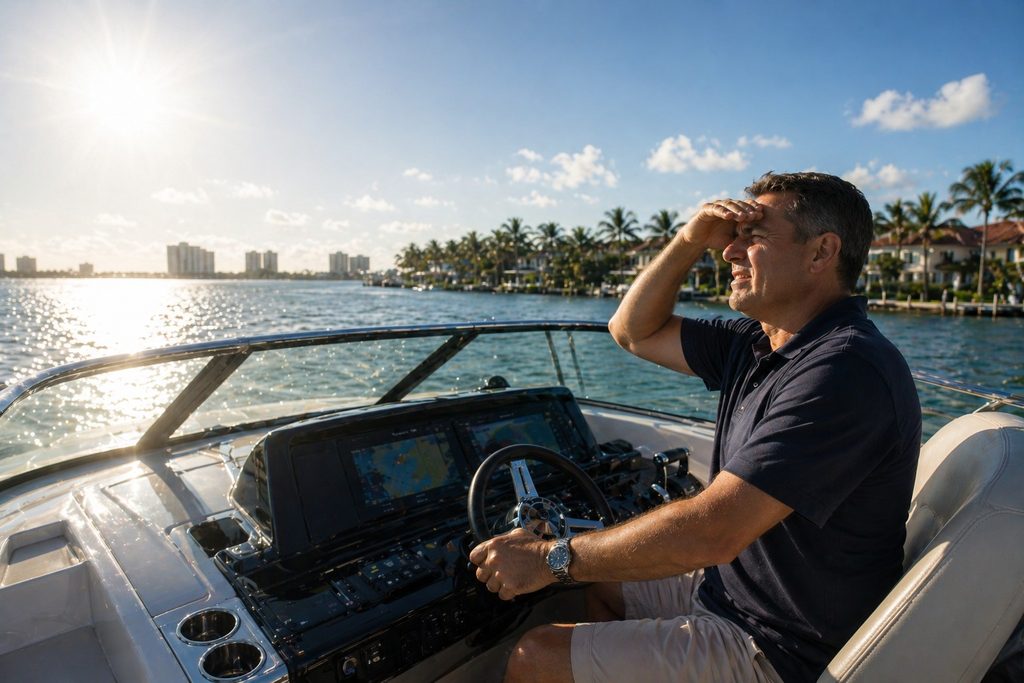
The Challenge of an Open Flybridge
At lower speeds and in calm conditions, an open flybridge can be ideal. Conditions can change quickly, however.
As speed increases, sustained wind exposure can become tiring. Offshore conditions can send salt spray across the helm. A passing rain shower can quickly turn a comfortable cruise into an unpleasant one. And the blaring sun can get exhausting.
Traditional Bimini tops help provide overhead shade, while canvas and clear vinyl enclosures can offer additional protection. But these solutions also come with compromises.
Vinyl panels can become cloudy or scratched over time, canvas can move and create noise while underway, and opening or closing an enclosure generally requires manual effort.
For yacht owners who use their boats frequently, the question becomes: Is there a better way to protect the flybridge without giving up the open air experience?
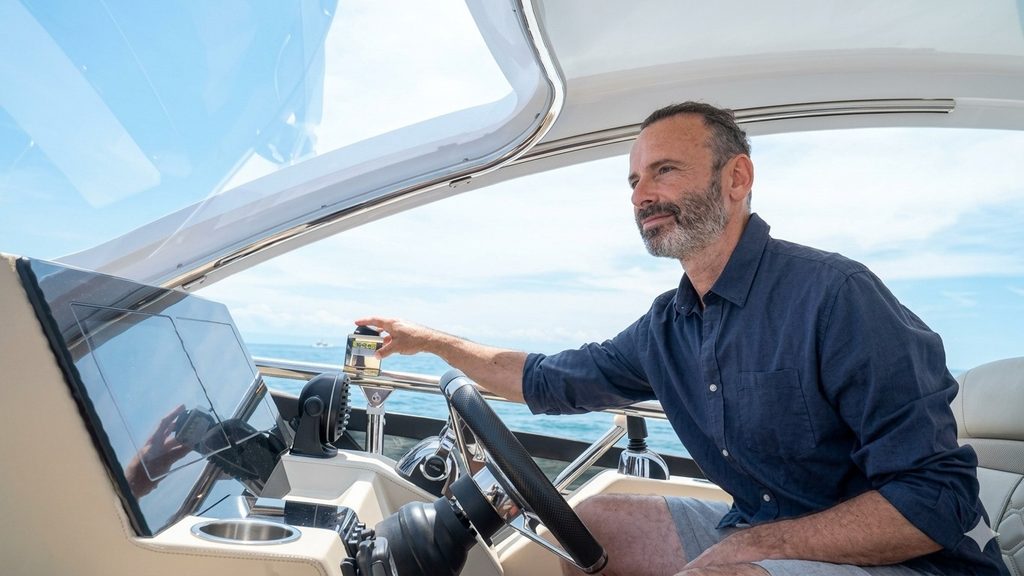
Protecting the Helm While Preserving Visibility
Clear visibility from the flybridge is essential. Any enclosure system should protect the helm without unnecessarily compromising the captain’s sightlines.
Toma-Top approaches the problem differently.
Instead of relying on a traditional soft enclosure, Toma-Top combines a solid hardtop with an electrically operated retractable windshield. At the push of a button, the windshield can be positioned according to conditions on the water.
When additional protection is needed, the windshield can be raised to help shield the helm from wind and salt spray. When conditions are favorable, it can be lowered to restore the open air flybridge experience.
The result is not simply more protection. It is greater control over the flybridge environment.
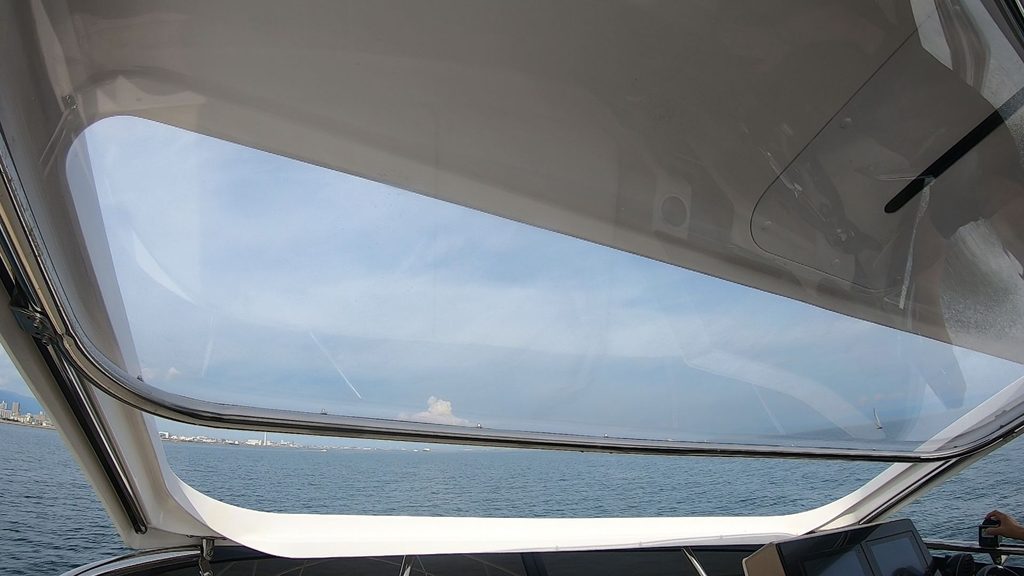
Why Polycarbonate Matters
The windshield itself plays an important role in both protection and visibility.
Toma-Top uses 5mm hard coated polycarbonate, selected for its combination of strength, light weight and optical clarity. The hard coated surface also provides greater resistance to scratching, an important consideration in a marine environment where salt, spray and regular cleaning can take a toll on exposed surfaces.
For the captain, the objective is simple: maintain a clear view ahead while gaining protection from the elements.
That becomes especially valuable during longer passages, changing weather conditions or days when wind and spray would otherwise make operating from the flybridge uncomfortable.
A Different Approach to the Traditional Flybridge Enclosure
A yacht owner considering a flybridge upgrade typically has several priorities: protection, visibility, durability, ease of operation and appearance.
Toma-Top was engineered to address those priorities in a single integrated system.
Its retractable windshield operates electrically rather than requiring the captain or crew to manually install or remove enclosure panels. Marine grade components are designed for the saltwater environment, while the low profile hardtop is intended to complement the yacht’s existing lines rather than overwhelm them.
The system is manufactured by Marubishi Company, Ltd. of Japan, bringing decades of Japanese engineering and manufacturing experience to a product specifically designed to improve life aboard the flybridge.
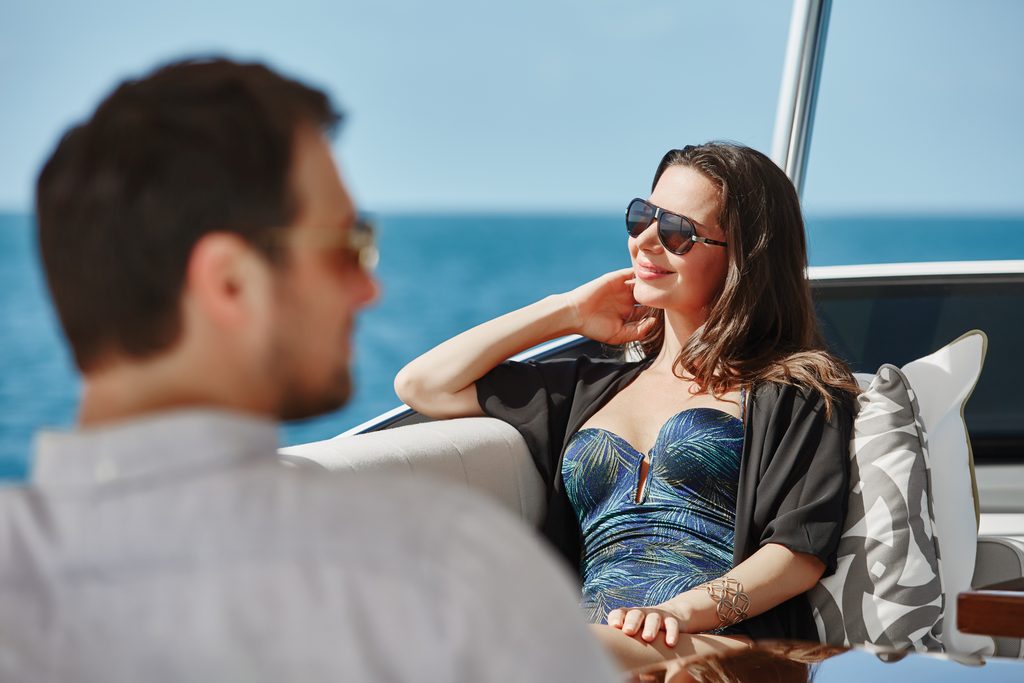
More Comfort Can Mean More Time on the Flybridge
Flybridge protection isn’t only about dealing with bad weather.
Reducing constant wind and spray can make the space more comfortable for everyone aboard. Instead of retreating below when conditions become less pleasant, owners and guests can continue enjoying the elevated views and social environment that make a flybridge so appealing in the first place.
And when the weather is ideal, the windshield can be lowered again.
That flexibility is the fundamental difference: protection when you want it and open air when you don’t.
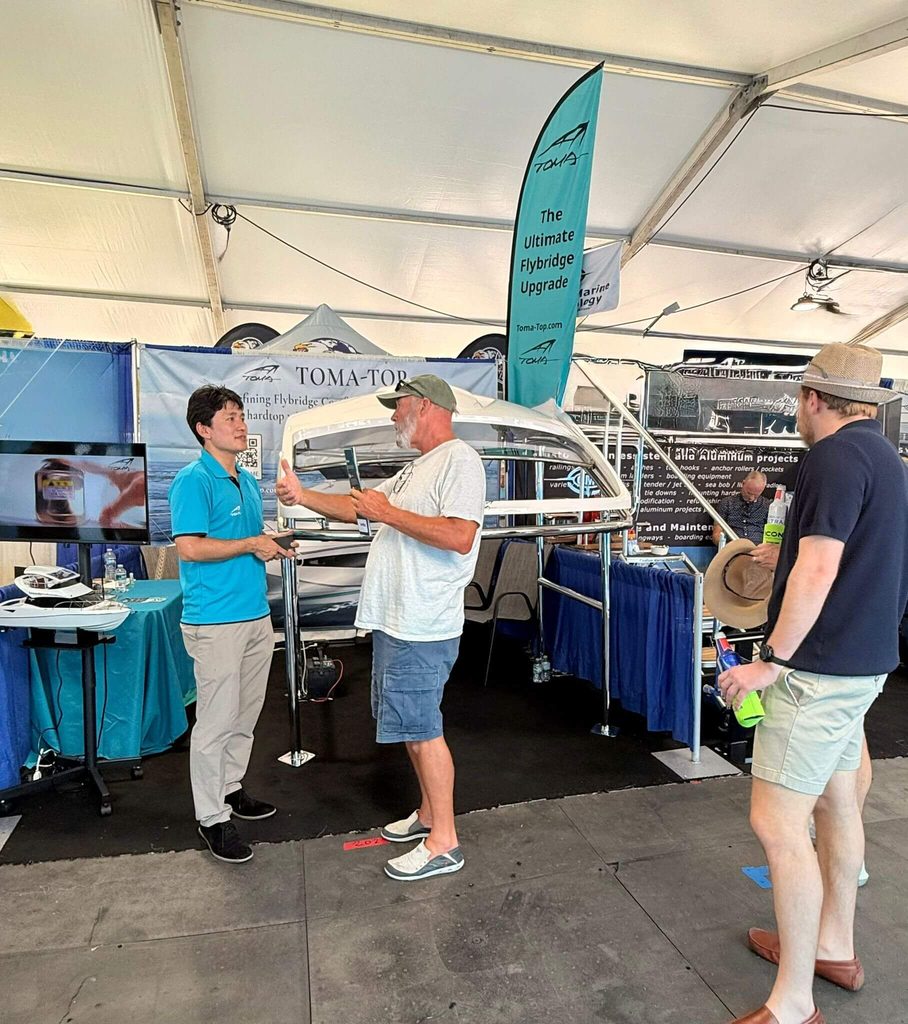
See Toma-Top in Florida
As Toma-Top continues expanding its presence in the U.S. recreational boating market, Florida yacht owners will have an opportunity to experience the system firsthand at the Fort Myers Boat Show this November.
Seeing the retractable windshield operate in person makes it easier to understand how a relatively simple concept can transform the flybridge experience.
For owners considering replacing a traditional Bimini or soft enclosure, or simply looking for a more comfortable way to operate their yacht from the flybridge, Toma-Top offers a distinctly different alternative.
Learn more about Toma-Top, explore installation options and see the retractable windshield in action at
toma-top.com.